Finding a real estate mentor can be one of the best decisions a new agent can make. Not only can a mentor help you navigate the complexities of the industry and accelerate your learning curve, but they can also provide valuable networking opportunities and advice on how to build a successful career in real estate.
However, finding the right mentor can be a challenge, and there are important factors to consider before making this important decision. In this article, we'll explore what you need to know about finding a real estate mentor and how to ensure that the mentorship relationship is a successful one.
The Basics Of Finding A Real Estate Mentor
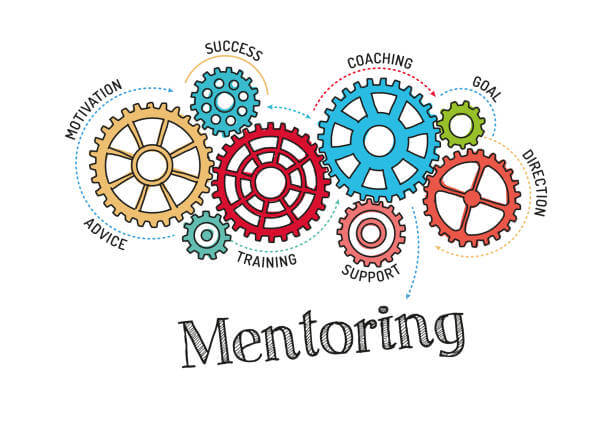
When starting out in the real estate industry, finding a real estate mentor can be a valuable asset. A mentor can serve as an advisor or guide, offering advice, feedback, and support. Typically, a mentor is someone who has more experience and knowledge than the person being mentored.
However, it's important to note that a mentor won't necessarily teach everything they know about real estate and business. Mentoring is a gradual process that evolves naturally and takes time to develop. In this blog, we'll discuss what you need to know about finding a real estate mentor and how it can benefit your career.
Do Not Believe These Myths
-
Rather than waiting to be discovered by a mentor, take proactive steps to find the right mentor for you.
-
Mentoring is a two-way street where both the mentor and the mentee contribute to the relationship.
-
Don't expect to be immediately accepted for mentorship by simply asking for it. The mentorship relationship takes time to develop and grow.
-
A mentor won't simply provide all the answers, but rather guide you to learn from your mistakes and grow with the right support and guidance. Experience combined with mentorship is a valuable tool for personal and professional growth.
Set The Right Expectations
-
Your mentor's core values should align with your own, as it's essential to have shared ethical principles.
-
Finding a mentor with similar passions and interests in both life and business is critical, particularly in the real estate industry.
-
Ensure that you and your mentor share the same investment strategy and style to benefit from their guidance and advice fully.
-
Provide a compelling reason for a potential mentor to invest their valuable time and knowledge in you. The best mentors are usually busy, successful people with thriving real estate businesses.
-
The mentor-protege relationship should be a win-win situation, with both parties benefiting from each other's expertise and experience.
Tips For Finding a Real Estate Mentor
Successful individuals from various fields, including athletes, politicians, business executives, and especially real estate investors, all have one thing in common - they had a mentor. While some people make a living by offering mentorship services, charging thousands of dollars for just an hour or two of their time, finding the right mentor can be invaluable to your success as a real estate agent.
Here are some ways for finding a real estate mentor:
Financial Planners
Financial planners can be a valuable resource for real estate investors as they have connections with high-net-worth individuals who invest in real estate. They can refer you to other clients who may be interested in investing in real estate, creating a good business opportunity for both parties.
Networking Events
Attending local investor networking events can be an effective way to connect with experienced individuals who have gone through the same challenges that you're currently facing as a new real estate agent. These events offer opportunities to network, exchange ideas and best practices, and build relationships with other like-minded professionals in the industry.
Check Your Network
You can check your existing network of contacts in the real estate industry such as brokers, lenders, contractors, and title companies. These individuals often work with successful real estate investors and can provide valuable recommendations for potential mentors. Once you have a list of potential mentors, it's a good idea to arrange an in-person meeting to determine if there is a good match for mentoring.
Join Online Communities
One effective way to find a real estate mentor is to join online communities, forums, and groups related to the industry. These platforms provide a space for real estate professionals and experts to connect and share their experiences and knowledge. By joining these communities, you can ask for advice and recommendations on finding a mentor from people who have been in your shoes.
These online groups can also help you expand your network and connect with potential mentors who share similar interests and values. It's important to be an active participant in these communities by asking questions, sharing your own experiences, and offering help to others when possible.
Leverage Social Media
Use social media platforms like LinkedIn, Twitter, and Facebook to connect with real estate professionals and experts. You can also join groups and forums dedicated to real estate investing and ask for recommendations or advice.
Ask Yourself These Questions
What Is Your Risk Tolerance?
Investing in rental property, like any other investment, involves a degree of risk. The challenge lies in finding ways to mitigate risk while maximizing returns. One strategy adopted by buy-and-hold investors is to target income-generating properties that offer steady and relatively stable cash flow over an extended period. Though there is always a risk of tenants leaving or slow growth in rent, holding onto the property for the long term helps minimize these short-term uncertainties.
It's important to find a mentor whose risk profile personality matches your own. If your mentor is someone who enjoys the excitement of fixing and flipping homes like in Las Vegas, while you prefer to build a rental property portfolio that generates passive income, then there may be a mismatch in investment philosophy. This could lead to a lack of mutual respect and hinder the effectiveness of the mentor-mentee relationship.
Are You Coachable?
Having doubts about your mentor's abilities can lead to second-guessing their advice and direction. This could jeopardize the progress of your real estate investment business. Respect is crucial for a successful mentor-protege relationship. If a mentor feels like their time is being wasted, they may not offer their best guidance. Therefore, it's essential to establish mutual respect from the outset.
Why You Started This Journey?
Consider your investment goals, whether it's flipping homes, wholesaling, building a portfolio with passive income, or investing in rental property from a distance. There isn't a one-size-fits-all approach to investing, so it's important to have a clear understanding of your objectives before seeking a mentor who can provide the support you need.
What Do You Expect From Your Mentor?
To various individuals, success is a relative concept with different meanings. However, it's crucial to ensure that the level of achievement of your mentor aligns with your personal goals since they will serve as a role model for your future development. If you have any doubts that your mentor can assist you in achieving your objectives, it's best to search for someone else instead of squandering your and their time.
Conclusion
Finding a real estate mentor is crucial in the real estate investing business. As the saying goes, "knowledge is power," and having the right mentor can help you achieve success. The relationship between mentor and mentee is built on respect, trust, and accountability, and should be a give-and-take experience that develops naturally over time.
When searching for a mentor, it's important to first understand your own investment goals and strategies, and ensure that your mentor shares those same values. A good mentor should be able to teach you what they know and provide guidance to help you learn by doing. Consider online interactive training programs like the Roofstock Academy to easily leverage the knowledge and experience of successful real estate investors.
Originally published by Zidy. View original article.