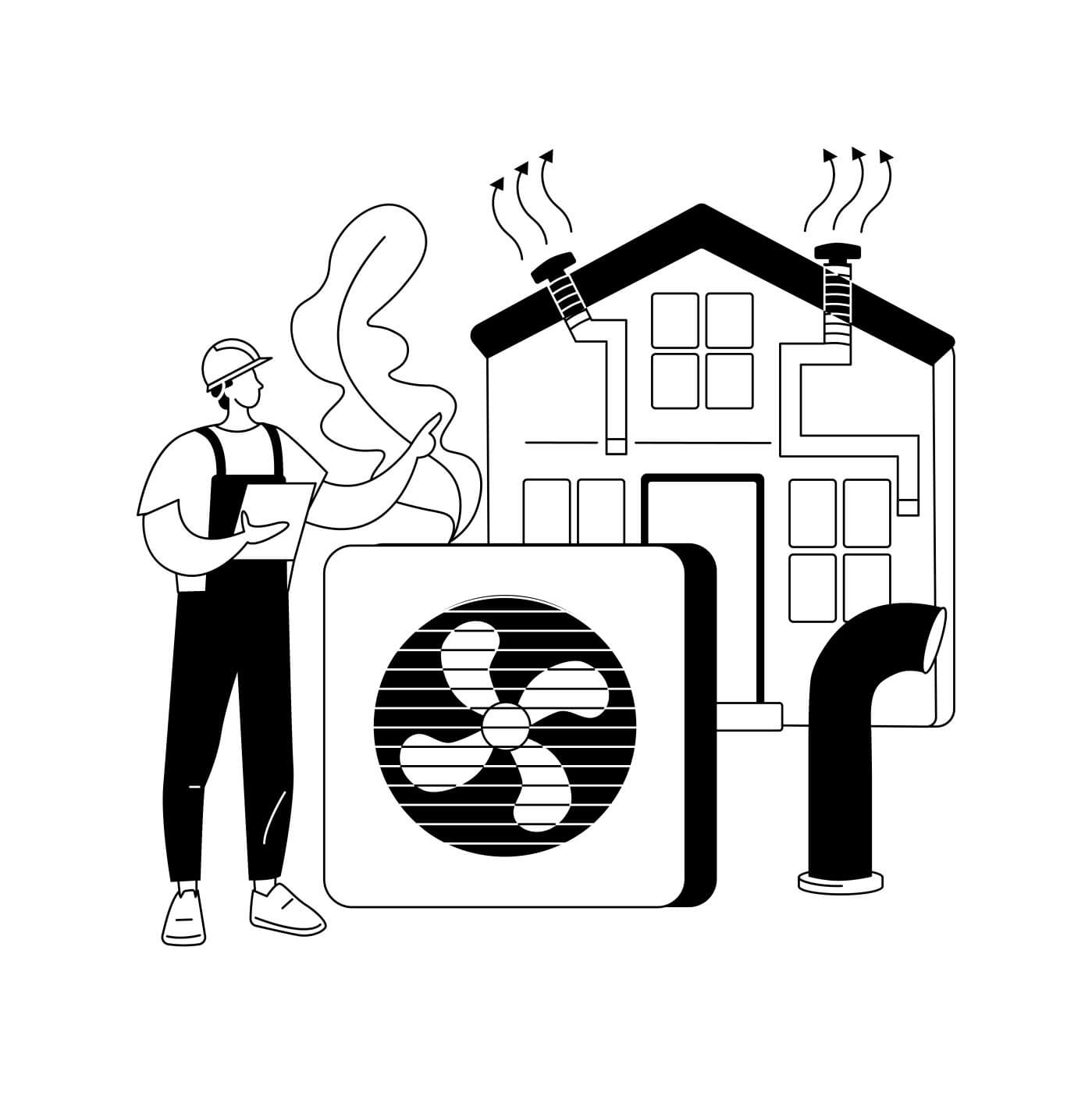
Effective HVAC business management is essential for running a successful heating, ventilation, and air conditioning company.
As an HVAC business owner, you know that running a successful operation takes more than just fixing air conditioning units and heaters. In fact, managing an HVAC business can be a complex process that requires careful planning, efficient operations, and effective communication with customers and staff.
According to recent data, the HVAC industry is projected to grow at a compound annual growth rate of 5.43% from 2023 to 2028, making it more important than ever to streamline your operations to stay competitive.
With that in mind, we've compiled 10 tips to help you optimize your HVAC business management and achieve long-term success.
Table of Contents
- 1. Automate your scheduling
- 2. Implement a CRM system
- 3. Invest in a mobile workforce management system
- 4. Standardize your processes
- 5. Monitor your inventory
- 6. Implement a maintenance plan for equipment
- 7. Communicate with your customers
- 8. Leverage social media for marketing and customer engagement
- 9. Develop a referral program
- 10. Optimize your website for search engines
- FAQs - HVAC Business Management
- Conclusion
1. Automate your scheduling
As an HVAC business owner, scheduling appointments can be a complex and time-consuming task that requires careful attention to detail. However, automating your scheduling process using software such as Zidy, ServiceTitan, or Housecall Pro can streamline your operations and help you avoid costly mistakes.
Here are some practical examples of how these tools can benefit your HVAC business management:
- Simplify appointment scheduling: You can set up an online scheduling system that allows your customers to book appointments directly through your website. This eliminates the need for manual scheduling, which can be time-consuming and error-prone. Additionally, you can set up automatic appointment reminders to reduce the number of no-shows.
- Dispatch jobs more efficiently: ServiceTitan or Housecall Pro allows you to dispatch jobs to your technicians in real-time, ensuring that they arrive on-site promptly. This saves you time and money by reducing the amount of time your technicians spend traveling between job sites.
- Send automatic customer notifications: Using software like Zidy, you can send automatic notifications to your customers via email or text message to keep them informed about the status of their appointment. This can include reminders about upcoming appointments, updates on job progress, and notifications when the job is complete.
- Streamline billing and invoicing: Use software such as QuickBooks or FreshBooks to create and send invoices, and allow customers to pay online. This can help you get paid faster and improve cash flow. This eliminates the need for manual invoicing, reducing the risk of errors and saving you time.
2. Implement a CRM system
As an HVAC business owner, managing customer data and tracking interactions can be a challenging task. Implementing a CRM (Customer Relationship Management) system can help you streamline your customer management process, track leads, and automate marketing campaigns.
Here are some practical examples of how CRM systems such as Zidy, HubSpot, Salesforce, or Zoho can benefit your HVAC business:
- Better customer management: With a CRM system, you can keep track of all customer interactions in one central location, including contact information, service history, and notes from previous interactions. This enables you to provide personalized service, track customer feedback, and identify areas for improvement.
- Improved lead tracking: A CRM system can help you track leads throughout the entire sales process, from initial contact to conversion. This allows you to identify the most promising leads and prioritize your follow-up efforts, improving your chances of closing more sales.
- Automated marketing campaigns: With a CRM system, you can automate marketing campaigns such as email marketing, social media advertising, and direct mail campaigns. This saves you time and allows you to reach out to customers and prospects with targeted messages that are more likely to generate leads and sales.
- Customer segmentation: A CRM system can help you segment your customer base based on demographics, interests, and behavior. This allows you to create targeted marketing campaigns that are tailored to the specific needs and interests of each customer group.
- Improved reporting: A CRM system can provide you with detailed reports on customer interactions, leads, and sales. This allows you to track your performance over time and identify areas for improvement.
3. Invest in a mobile workforce management system
Managing a team of HVAC technicians can be a complex task, especially when it comes to scheduling and dispatching them to job sites. However, by using a mobile workforce management system like FieldEdge or FieldAware, you can simplify these tasks and improve the overall efficiency of your business.
Here are some practical examples of how a mobile workforce management system can benefit your HVAC business management:
- GPS tracking: With GPS tracking, you can monitor the location of your technicians in real-time, which can help you dispatch the nearest technician to a job site. This can reduce response times, improve customer satisfaction, and increase productivity.
- Work order management: A mobile workforce management system can help you manage your work orders more efficiently by assigning them to technicians based on their skills and availability. This ensures that your technicians are always working on jobs that match their expertise, which can reduce downtime and increase productivity.
- Real-time communication: With real-time communication, you can stay in touch with your technicians and provide them with the support they need. This can help you resolve issues quickly, reduce downtime, and increase productivity.
- Automated invoicing: A mobile workforce management system can help you automate your invoicing process, which can save you time and reduce errors. You can generate invoices automatically based on completed work orders, which can reduce the time it takes to get paid.
4. Standardize your processes
As an HVAC business owner, standardizing your processes can help you improve efficiency, reduce errors, and provide consistent service to your customers. Here are some practical examples of how you can standardize your processes:
- Develop standard operating procedures (SOPs): Creating SOPs for common tasks can help you ensure that your team is following best practices and providing a high level of service. For example, you can create SOPs for customer service, invoicing, equipment installation, and maintenance procedures. These SOPs should be documented, shared with your team, and updated regularly to reflect changes in your business processes.
- Implement quality control measures: To ensure that your team is following your SOPs, you can implement quality control measures such as spot-checking completed work, conducting regular audits, and soliciting feedback from your customers. These measures can help you identify areas for improvement and make adjustments to your processes as needed.
- Train your team: Standardizing your processes is only effective if your team is trained on your SOPs and knows how to follow them. You can conduct regular training sessions, provide written instructions, and offer ongoing support to ensure that your team is equipped to follow your processes.
- Use technology to automate tasks: As we already mentioned above, automation can help you standardize your processes and reduce the risk of errors. For example, you can use software to automate invoicing, scheduling, other than customer communications and feedback.
5. Monitor your inventory
As an HVAC business owner, you need to keep track of your inventory levels to ensure that you have the necessary parts and equipment for each job. Manual inventory management can be a tedious and time-consuming task, which is why using inventory management software such as Fishbowl or EZOfficeInventory can be beneficial. Here are some practical examples of how these tools can help your HVAC business:
- Track inventory levels in real-time: With Fishbowl or EZOfficeInventory, you can track your inventory levels in real-time, so you always know how much stock you have on hand. This helps you avoid stockouts and ensures that you have the necessary parts and equipment for each job.
- Automate reordering: By setting up automated reordering rules in Fishbowl or EZOfficeInventory, you can ensure that you never run out of critical inventory items. The software can automatically generate purchase orders when inventory levels reach a certain threshold, saving you time and reducing the risk of stockouts.
- Manage multiple locations: If you have multiple warehouses or storage locations, inventory management software can help you track inventory levels across all locations. This helps you avoid overstocking or understocking at any one location and ensures that you have the necessary parts and equipment available at each location.
- Barcode scanning: Many inventory management software tools, such as Fishbowl or EZOfficeInventory, support barcode scanning. This allows you to quickly and accurately track inventory levels, reduce manual data entry, and avoid errors.
- Generate reports: With Fishbowl or EZOfficeInventory, you can generate reports on inventory levels, reordering history, and usage trends. This helps you make data-driven decisions about your inventory management strategy and optimize your operations.
6. Implement a maintenance plan for equipment
As an HVAC business owner, implementing a maintenance plan for your customers' equipment can help prevent breakdowns, extend the life of the equipment, and increase customer satisfaction.
Here are some practical examples of how to implement a maintenance plan using software like UpKeep or Fiix:
- Schedule regular maintenance visits: Set up a regular maintenance schedule with your customers and schedule visits in advance. This can include routine maintenance tasks such as filter changes, cleaning coils, and checking refrigerant levels.
- Use software to manage maintenance schedules: Software like UpKeep or Fiix can help you manage your maintenance schedules and track work orders. This can include creating work orders, assigning tasks to technicians, and tracking completion.
- Offer maintenance plan packages: Offer customers the option to purchase maintenance plan packages that include regular visits and discounted rates for any additional services. This can help you generate additional revenue and improve customer retention.
- Conduct equipment inspections: Regular equipment inspections can help identify potential issues before they become major problems. Use checklists to ensure that all components are inspected and tested during maintenance visits.
- Document maintenance records: Keep detailed records of all maintenance performed on each piece of equipment. This can include notes on any repairs or replacements and can help you identify patterns and trends in equipment performance.
7. Communicate with your customers
As an HVAC business owner, effective communication with your customers is critical to maintaining their satisfaction and loyalty. Utilizing software tools like Zidy Chat, Podium or Thryv can help streamline your communication processes and ensure your customers are informed every step of the way.
Here are some practical examples of how you can benefit from using these tools:
- Use messaging to communicate: These tools allow you to communicate with your customers via instant text messaging or email. This can be a convenient way to keep your customers informed about appointment times, job progress, and any issues that arise.
- Respond quickly to inquiries: You can use these tools to receive and respond to customer inquiries in real-time. This can help you address any concerns or questions your customers may have, improving their satisfaction with your services.
- Gather customer feedback: Both Podium and Zidy SMS 1-Click Review can automate the process of requesting customer feedback and google reviews after a job is complete. This can help you gather valuable feedback from your customers, which you can use to improve your services and customer satisfaction.
- Send automated updates: These tools allow you to automate updates to your customers, such as appointment reminders or job completion notifications. This can save you time and ensure your customers are informed every step of the way.
8. Leverage social media for marketing and customer engagement
Social media can be a powerful tool for HVAC business owners looking to connect with customers, promote their services, and build their brand.
Here are some practical examples of how you can leverage social media for your HVAC business management:
- Engage with customers: Use social media platforms like Facebook and Twitter to engage with your customers and respond to their inquiries. This can help you build stronger relationships with your customers and show them that you are attentive to their needs.
- Provide updates and information: Social media is an excellent way to keep your customers informed about your services and promotions. Use platforms like Twitter to share news about your business, upcoming events, and new services you are offering.
- Showcase your work: Use social media platforms like Instagram to showcase photos and videos of your HVAC work. This can help you demonstrate your expertise and build credibility with potential customers.
- Run social media ads: Facebook and Twitter offer powerful advertising tools that can help you reach new customers and promote your services. Consider running targeted ads on these platforms to drive traffic to your website or promote special offers.
- Respond to reviews: Monitor your social media accounts for reviews and respond to them promptly. This can help you address any negative feedback and demonstrate your commitment to customer service.
- Collaborate with influencers: Consider partnering with influencers or local businesses on social media to expand your reach and promote your services. This can be a cost-effective way to reach new customers and build your brand.
9. Develop a referral program
A referral program is an excellent way to incentivize your existing customers to refer their friends and family to your HVAC business, increasing customer acquisition and retention.
Here are some practical examples of how to develop a referral program that works for your HVAC business:
- Define your incentive: Determine what type of incentive you want to offer to customers who refer new business to you. This could be a discount on services, a cash reward, or a gift card to a local restaurant or store.
- Create a referral system: Develop a system for tracking referrals and rewarding customers who refer new business to you. This could be a simple referral form that customers can fill out online or in person, or it could be a more complex system that integrates with your CRM software.
- Promote your referral program: Make sure your customers know about your referral program by promoting it on your website, social media channels, and email newsletters. You can also create flyers or brochures to hand out to customers when they visit your business.
- Follow up with referred customers: Once you receive a referral, make sure to follow up with the referred customer promptly. This can include sending a personalized message thanking them for their business and letting them know about your referral program.
- Track your results: Keep track of how many referrals you receive and how many of those referrals turn into new customers. This will help you determine the ROI of your referral program and make adjustments as needed.
10. Optimize your website for search engines
Optimizing your HVAC business website for search engines is crucial for attracting potential customers, increasing sales, and improving your online visibility.
Here are some practical examples of how you can optimize your website for search engines:
- Conduct keyword research: Use tools like Google Keyword Planner or SEMrush to identify relevant keywords and phrases that your potential customers might use when searching for HVAC services. Use these keywords in your website content, including the page titles, headers, and meta descriptions.
- Publish high-quality content: Create informative and engaging content that addresses the questions and concerns of your target audience. Use relevant keywords naturally within the content to help search engines understand what your website is about. Additionally, regularly publishing fresh content can improve your website's ranking and keep your visitors engaged.
- Optimize your website structure: Make sure your website has a clear and organized structure with relevant categories and subcategories. This makes it easier for search engines to crawl and index your website, which can improve your ranking.
- Use local SEO techniques: As an HVAC business owner, you want to target customers in your local area. Use local SEO techniques, such as adding your business name, address, and phone number to your website, registering with local directories, and creating content that is relevant to your local audience.
- Optimize for mobile: A significant number of internet users access websites through mobile devices. Therefore, ensure your website is fully optimized for mobile. To optimize your website for mobile devices, use a responsive design that adjusts the layout to fit different screen sizes. Optimize images, simplify navigation, use clear and concise text, and make forms easy to fill out. By following these tips, you can create a website that is easy to use on any device and provides a seamless user experience for all visitors.
FAQs - HVAC Business Management
Q: How can I keep track of my business finances?
A: One of the easiest ways to keep track of your business finances is by using accounting software like QuickBooks. This will help you track your expenses, sales, and profits easily and give you a clear picture of your business's financial health.
Q: What's the best way to ensure customer satisfaction?
A: Providing excellent customer service is crucial for any HVAC business. You can ensure customer satisfaction by communicating effectively, being responsive to their needs, and following up with them after the job is done.
Q: What tools can I use to monitor and analyze my business data?
A: You can use analytics tools like Google Analytics to track your website traffic and social media engagement. You can also use software like Tableau or Power BI to visualize and analyze your data to gain insights into your business operations.
Q: How can I ensure that my staff is productive and efficient?
A: You can ensure staff productivity and efficiency by setting clear goals and expectations, providing training and support, and using productivity tools like time-tracking software.
Q: How can I reduce costs and increase profits?
A: One way to reduce costs is by investing in energy-efficient equipment, which will help you save on energy bills. You can also reduce costs by optimizing your inventory, negotiating better deals with suppliers, and identifying areas where you can cut expenses without sacrificing quality.
Q: How can I stay competitive in the HVAC industry?
A: Staying up-to-date with the latest technology, offering excellent customer service, and continuously improving your business operations are key to staying competitive in the HVAC industry. Keep an eye on industry trends and adopt new technologies and practices to stay ahead of the competition.
Conclusion
In conclusion, effective HVAC business management is crucial for success in the competitive heating, ventilation, and air conditioning industry. By implementing the tips discussed in this blog post, such as focusing on customer service, investing in training for your technicians, and utilizing technology to streamline operations, you can improve your business's efficiency, profitability, and reputation.
Additionally, it's important to monitor your financials, track and measure marketing performance, analyze your data, and implement remote diagnostic and troubleshooting tools to ensure you're making informed decisions and providing the best possible service to your customers.
Overall, managing an HVAC business can be challenging, but with the right strategies and tools, you can set your company up for long-term success in the industry. Remember to prioritize customer satisfaction, invest in your team's training and development, and embrace technology to stay ahead of the competition.
Originally published by Zidy. View original article.