The AI-powered chatbot has become a crucial tool for real estate agents who want to level up their game. Realtors are always looking for new and innovative ways to boost their sales, increase their efficiency, and provide top-notch customer service. That's why more and more agents are turning to real estate chatbots as their secret weapon.
By implementing a chatbot into your business, you can better manage your time, streamline your operations, and ultimately close more deals. In this article, we will explore the benefits of using a real estate chatbot and how it can transform the way agents do business.
What is a Real Estate Chatbot?
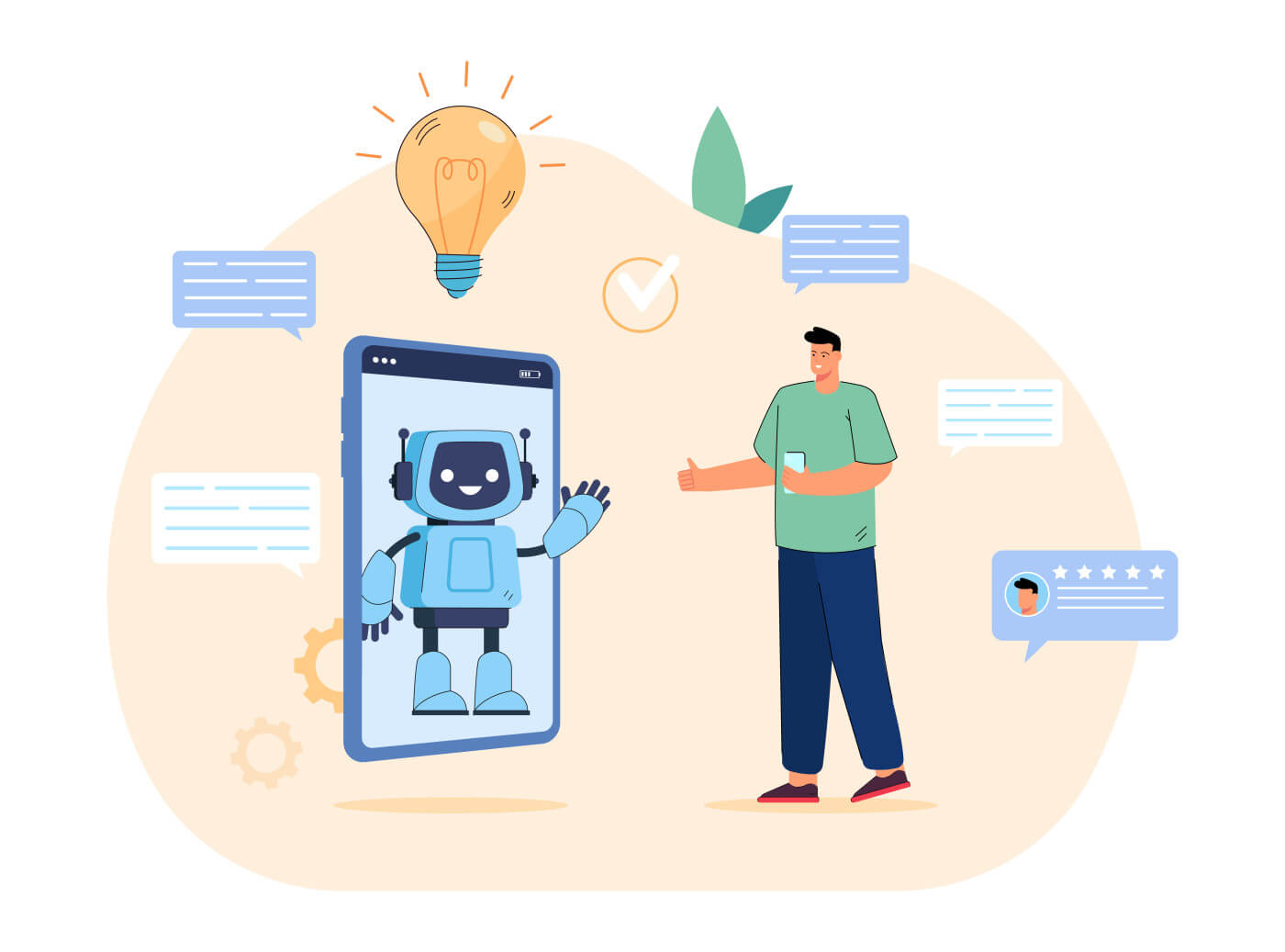
A real estate chatbot is an AI-powered tool that simulates conversations with clients or leads. These chatbots can be integrated into various communication channels, including websites, social media, and messaging apps, and respond to customer queries in a human-like way. The goal of a chatbot is to automate the initial stages of communication between you and your potential clients, allowing you to save time and resources while still providing a seamless experience for your clients.
Chatbots have become increasingly popular in recent years because they offer many benefits, including:
-
24/7 availability
-
Instant responses
-
Cost-effective customer service
-
Personalized interactions
-
Increased efficiency and productivity
How can Real Estate Agents Use Chatbots?
Real estate agents can use chatbots to improve various aspects of their business. Here are some practical ways chatbots can be implemented in your real estate business:
-
Property Search Assistance: Chatbots can assist customers with property search by asking them questions about the type of property they are looking for, such as the location, number of bedrooms, price range, etc. Based on the customer's preferences, the chatbot can provide a list of suitable properties for the customer to choose from. This saves customers time and effort in finding properties that meet their requirements.
-
Appointment Scheduling: Chatbots can schedule property viewings and appointments for customers. Customers can simply provide their preferred date and time for viewing a property, and the chatbot can schedule the appointment and send a confirmation to the customer. This eliminates the need for human intervention in scheduling appointments, saving time and resources.
-
Mortgage Assistance: Chatbots can provide assistance with mortgage-related queries. Customers can ask questions about mortgage options, interest rates, and eligibility criteria, and the chatbot can provide information and guidance. Chatbots can also assist customers in applying for mortgages by collecting necessary information and providing customers with the appropriate forms.
-
Property Valuation: Chatbots can assist customers in determining the value of their property. Customers can provide details about their property, such as the location, size, and age, and the chatbot can provide an estimate of the property's value. This can help customers make informed decisions when selling or refinancing their property.
-
Personalized Recommendations: Chatbots can provide personalized recommendations based on customers' preferences and behavior. By analyzing customer data, such as their search history and preferences, chatbots can provide customized property recommendations and offers. This can increase customer engagement and satisfaction, leading to higher conversion rates.
-
Maintenance and Repairs: Chatbots can provide assistance with maintenance and repair requests. Customers can report issues with their property, and the chatbot can collect information about the problem and schedule a repair appointment with the appropriate service provider. This can save time and effort for both customers and property managers.
-
Tenant Management: Chatbots can assist with tenant management by answering queries related to rent payment, lease renewal, and other issues. Chatbots can also collect feedback from tenants about their living experience and provide suggestions for improvement. This can improve tenant satisfaction and reduce the workload of property managers.
-
Lead Generation: Chatbots can be used to generate leads by engaging with website visitors and providing information on available properties. A chatbot can ask potential clients questions about their preferences and budget and then recommend properties that meet their requirements. This can be done 24/7, without the need for human interaction.
-
Customer Service: Chatbots can provide quick and efficient customer service by answering frequently asked questions (FAQs). They can also assist customers with booking property viewings, sending property details, and providing updates on the status of their application. Chatbots can handle multiple queries simultaneously, reducing the need for human resources.
-
Sales Support: Chatbots can be used to support the sales process by following up with clients who have shown interest in a property. They can provide additional information, schedule viewings, and even send contracts to clients for electronic signatures.
-
Data Collection: Chatbots can be used to collect data on customers, such as their preferences, budget, and feedback. This data can be used to improve the customer experience and personalize interactions with clients.
Best Practices for Implementing Chatbots
Here are some best practices to keep in mind when implementing chatbots in a real estate agency:
-
Define Goals and Use Cases: Before implementing a chatbot, it's important to define the goals and use cases. This will help determine what type of chatbot is needed and how it can be customized to meet the needs of the business.
-
Choose the Right Platform: There are many chatbot platforms available, each with their own features and limitations. It's important to choose a platform that integrates well with the business's existing systems and provides the necessary features for the chatbot.
-
Customize the Chatbot: To provide a personalized experience for customers, it's important to customize the chatbot's responses and interactions. This can be done by adding scripts and training the chatbot to recognize specific keywords and phrases.
-
Test and Refine: Once the chatbot has been implemented, it's important to test and refine it regularly. This will help identify any issues and ensure that the chatbot is functioning as intended.
-
Provide Human Backup: While chatbots can handle many queries, it's important to provide human backup for more complex queries or when the chatbot is unable to provide the necessary information.
Revolutionize Your Real Estate Business with Zidy's All-in-One Chatbot Solution
Zidy is a comprehensive, all-in-one platform that offers a chatbot solution specifically designed for professionals. With its easy-to-use interface, Zidy helps agents generate more leads, manage customer service, and close more deals.
Zidy's chatbot provides instant responses to customers, improving their overall experience and increasing their satisfaction. By sending customer messages via SMS directly to the agent's phone, the Zidy chatbot ensures that all customer leads reach them instantaneously, even when they are on the go. Zidy's chatbot can also assist customers with booking property viewings, sending property details, and providing updates on the status of their application.
Additionally, Zidy allows agents to collect data on customers, such as their preferences, budget, and feedback, which can be used to improve the customer experience and personalize interactions with clients. With its customizable chat greeting screens and the ability to launch mass SMS campaigns, Zidy helps agents convert more leads into real revenue. Overall, Zidy's chatbot is an essential tool for real estate agents looking to improve their customer experience, streamline their operations, and close more deals.
Conclusion
In conclusion, chatbots can be used in various ways to improve the real estate industry's customer experience, sales, and efficiency. With their ability to handle multiple queries simultaneously, chatbots can reduce the need for human resources and save time and effort for both customers and property managers. By providing personalized recommendations and assistance, chatbots can increase customer engagement and satisfaction, leading to higher conversion rates and increased revenue. Real estate agents and companies that implement chatbots in their business strategy can benefit from improved customer experience, increased lead generation, and enhanced sales and operational efficiency.
Originally published by Zidy. View original article.