In the competitive world of real estate, customer relationship management (CRM) has become an essential part of the business. Real estate agents and brokers need to have a clear understanding of their client's needs and preferences in order to provide them with the best possible service. In this context, real estate CRMs play a crucial role in managing client interactions and organizing important data. In this article, we will take a closer look at real estate CRMs and provide you with the information you need to know to make the best use of them for your business.
Real Estate CRMs Explained
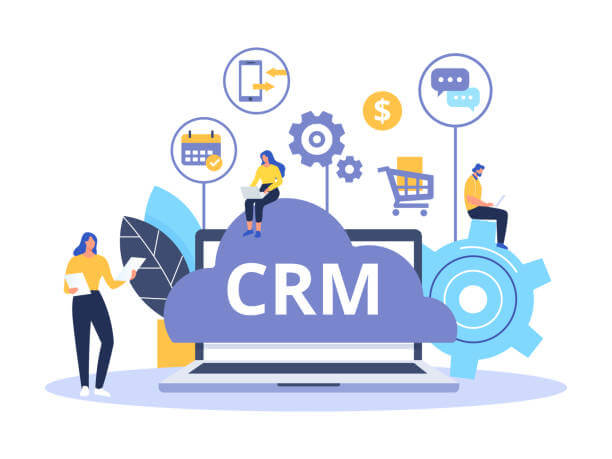
Real estate CRMs refer to customer relationship management (CRM) tools that are specifically designed for real estate agents, realtors, companies, and brokers. This software is essential in managing a variety of aspects of a real estate business, including sales, marketing, information management, reporting, and customer relationships. The benefits of real estate CRMs include supporting lead nurturing activities, tracking pipeline KPIs, closing deals, and enhancing customer support. In short, real estate CRMs are powerful tools that can help real estate professionals streamline their operations and grow their businesses.
Essentially, a CRM is a software tool that acts as a bridge between real estate companies and their customers or clients. It helps to streamline lead management and enables organizations to gain a deeper understanding of their customer's requirements and engage with them more efficiently. With the help of real estate CRMs, companies can manage and analyze customer interactions and data, track leads and progress, and provide a better customer experience.
What Are The Benefits Of Real Estate CRMs
Real estate CRMs are essential tools that help real estate agents improve their marketing strategies, track their leads, and automate sales processes. These systems allow agents to create more personalized marketing campaigns and emails, ultimately increasing the potential for more leads and appointments. Efficiency is key for agents as every minute counts in a highly competitive industry.
With a real estate CRM, agents can manage a large sales volume with ease, enabling them to close more deals and earn more income. Customizable reports provide in-depth information on each transaction, allowing agents to track vital data such as sales cycles and purchasing trends. This information can help agents determine if a listing price was too high or too low, providing valuable insights that can improve future sales strategies.
Additionally, CRMs are a crucial tool for real estate agents in helping them stay organized and prioritize specific tasks. It enables agents to call out priority customers and deals through customizable reports and easily access records and data of previous and potential clients. By tracking their sales and marketing activities, agents can plan their workload better and stay on top of it. In addition, CRM software allows agents to keep track of important client information, such as address and contact information, and automate processes.
Real Estate CRM Types
There are different types of CRM software available, and the choice of which one to use depends on the specific needs of your business. The two main categories of CRM software are cloud-based software and on-premise CRM software.
The former type is hosted by a third-party vendor and is accessed through the internet, while the latter is installed on your company's own servers and is accessible within your own network. Each type has its own advantages and disadvantages, so it's important to carefully evaluate which one would work best for your real estate business.
On-Premise CRM
On-premise CRM software is a type of real estate CRM software that businesses install and run on their own servers or computers. With on-premises CRM software, agents have more control and security since they deploy and manage the software themselves. This type of software can be a good option for businesses that have strict data privacy requirements or slow or unreliable internet connections.
Cloud-Based CRM
To cater to the needs of companies that operate across multiple locations, a cloud-based CRM software solution is best as it provides access to data on any device through an online portal. This option is often the most cost-effective since the software publisher handles all updates and technicalities, reducing the need for agents and brokers to invest in additional hardware or technical expertise. This way, companies can manage their business on the go without worrying about the technical details of the software.
Using Real Estate CRMs
To boost their real estate businesses, agents and brokers can quickly begin using a real estate CRM. Nonetheless, integrating an all-in-one CRM and marketing automation system as part of a more extensive real estate growth plan may provide more significant benefits. By designing comprehensive sales and marketing strategies and modifying their efforts based on up-to-date reports, agents can expand their real estate businesses.
Begin by conducting a comprehensive business audit as you begin your real estate CRM implementation. This will assist you in identifying your current operations and performance. With this information, you can make an informed decision on the type of real estate CRM that best suits your needs.
Start by reviewing your current practices and ask yourself the following questions:
-
Which information is currently being stored as hard copy documents?
-
What are the day-to-day tasks that your team members carry out?
-
What kind of data do you collect from your clients, and how do you store it?
-
Which of your current business processes are automated, and how efficient are they?
Once you finish the audit, it's time to implement the most important features of your real estate CRM. This will enable your business to utilize the technology to its full potential and operate at its best.
How You Can Grow Your Business With CRM
Real estate professionals must have a powerful tool like a real estate CRM to thrive in the competitive industry. It enables agents and brokers to engage with potential buyers, book appointments, advertise open houses, monitor customer interactions, and streamline their workflows.
A real estate CRM provides valuable insights into customer data such as past purchases, home equity, and listing price information, helping you stay on top of your leads and customers. With this information at your fingertips, you can easily personalize your engagement with them. Additionally, CRM tools assist with managing your workflows, from the first showing to inspections and closings. By accurately forecasting your pipeline and revenues, you can stay ahead of the game and optimize your operations for better results.
Selecting the right CRM that meets your needs and fits your budget is essential. Some CRMs may require significant upfront investment and provide features that may not be useful for you, while other low-cost options may be scalable and allow you to subscribe to a solution that perfectly fits your real estate business today. It is important to choose a CRM that can grow with your business over time.
In conclusion, real estate CRMs can be a game-changer for brokers and agents in the real estate industry. By implementing the right CRM, you can streamline your workflows, increase your productivity, and ultimately grow your business. It's important to understand the different types of real estate CRMs available and conduct a thorough audit of your business to identify the features that are most important for your needs and budget. Whether you choose a cloud-based or on-premise solution, a well-implemented real estate CRM can help you stay on top of your customers and leads and manage your sales and marketing efforts more efficiently.
Originally published by Zidy. View original article.