One technology that is gaining popularity among realtors is the use of realtor chatbots.
And with the constantly evolving real estate industry, you should always search for new ways to improve your customer service, generate more leads, and save time and money.
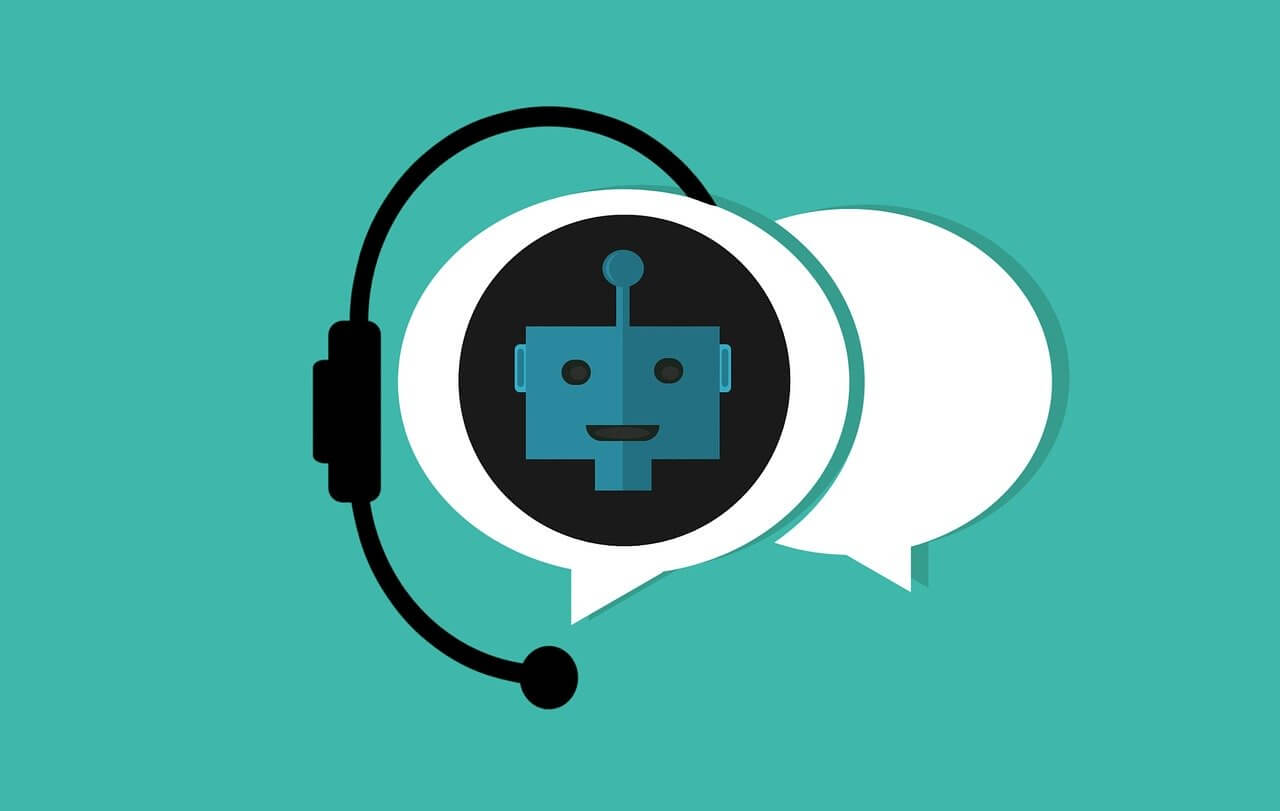
Realtor chatbots are AI-powered virtual assistants that can engage with clients, answer their questions, and provide personalized recommendations.
In this article, we'll explore the reasons why real estate chatbots are important for your business and how you can take advantage of this innovative technology to grow your business.
With that being said, let’s dive in.
Table of Contents
What Are The Benefits Of Using Real Estate Chatbot
Real estate chatbots are transforming the way realtors do business, providing numerous benefits to both the realtor and the client.
Let's take a closer look at what makes real estate chatbots such a valuable tool for your business.
You can also check this video by Leadoo which explains the benefits of chatbots.
24/7 Availability
One of the most significant benefits of a realtor chatbot is that it is available 24/7 to answer your client's questions and concerns. This means that your clients can get the information they need, even when you are not available.
Time-Saving
Real estate chatbots can save you and your team a significant amount of time by handling routine queries, freeing up your time to focus on more complex issues. This can help improve your productivity and efficiency.

Cost-Effective
Implementing a realtor chatbot can be cost-effective in the long run as it eliminates the need to hire additional staff to handle routine queries. Additionally, chatbots can handle multiple conversations simultaneously, reducing the need for additional resources.
Improved Customer Experience
A realtor chatbot can provide your clients with a personalized experience by collecting and storing data about their preferences, behaviors, and needs. This data can be used to tailor the conversation and provide more relevant and timely responses.
Better Lead Generation
Realtor chatbots can be programmed to capture lead information and qualify potential clients, allowing you to focus on the most promising leads and improve your conversion rates.
You can also check our article on the best real estate chatbots for 2023.
How Realtor Chatbots Work
Realtor chatbots use advanced natural language processing (NLP) and machine learning (ML) algorithms to interpret and respond to user queries in a natural and intuitive way.
These algorithms allow chatbots to understand the context of the conversation and provide relevant and accurate responses, making it feel like you are talking to a real estate expert rather than a machine.
To create and deploy a real estate chatbot, you can turn to chatbot development platforms such as Dialogflow, IBM Watson, and Microsoft Bot Framework. These platforms provide a wide range of tools and resources to help you build a chatbot tailored to your specific needs.
Once the chatbot is up and running, you can customize its responses and train it to provide more accurate and relevant information over time.
This level of personalization can help you build stronger relationships with your clients and provide a higher level of service than ever before.
Features Of Realtor Chatbots
To be effective, realtor chatbots must have an intuitive user interface, personalization, customization, and integration with existing systems.
That’s why it is important to keep these things in mind when choosing a chatbot.

Intuitive User Interface
In addition to their advanced NLP and ML capabilities, real estate chatbots also feature intuitive user interfaces that make it easy for clients to interact with them. A chatbot's user interface should be simple and easy to use, even for non-technical users.
This means that the chatbot should have a clear and concise conversation flow that guides users through the process of finding the information they need.
Personalization
Another important aspect of realtor chatbots is personalization. By collecting and storing data about each client's behavior, preferences, and needs, chatbots can provide personalized responses and recommendations that are tailored to the individual user.
For example, a chatbot can learn about a client's preferred location, price range, and property features, and use this information to provide more relevant search results.
This personalized approach can help you to build stronger relationships with your clients and provide a more efficient and effective service.
Customization
Customization is another crucial factor when it comes to realtor chatbots. To effectively engage with potential clients, it is important to ensure that chatbots reflect your brand's personality and tone of voice.

One way to achieve this is by customizing the chatbot's user interface with the brand's colors, logo, and language. This creates a consistent brand experience for users, helping to reinforce brand recognition and trust.
In addition to the visual elements, you should also customize the chatbot's conversation flow to align with your brand's tone and voice. This can be done by incorporating specific keywords or phrases that are unique to the realtor's brand.
The chatbot's language should also be personalized to match your style and approach, helping to create a more natural and engaging conversation.
Integration With Existing Systems
Integration with existing systems is an important aspect of chatbots. By integrating with your existing systems, such as your CRM or website, the chatbot can provide a seamless experience for your clients.
This means that clients can easily access relevant information about properties and listings, without having to navigate through different systems or interfaces.
Integration also enables the chatbot to collect and store important client data, which can be used to personalize future interactions and provide targeted recommendations.
Overall, integrating chatbots with your existing systems can enhance the overall efficiency and effectiveness of your business operations.
Implementing Realtor Chatbots in Your Business
Here are some steps to consider when implementing real estate chatbots.

Choose The Right Platform
When it comes to choosing a chatbot platform, it is essential to consider your business goals and the features you need.
- Facebook Messenger is a popular choice for real estate businesses, as it has a large user base and offers features like automated responses, appointment scheduling, and lead generation tools.
- WhatsApp is another popular choice, especially for businesses that want to communicate with international clients, as it has a broad user base worldwide.
- Slack is a platform that is well-suited for team collaboration and internal communication, but may not be the best choice for customer-facing chatbots.
Other factors to consider when choosing a platform include cost, ease of use, and compatibility with other business tools.
Ultimately, the platform you choose should align with your business goals and provide the features you need to improve customer service and increase lead generation.
Understand Your Goals
Before implementing a chatbot in your business, it's important to identify your goals upfront.
- What do you want your chatbot to achieve?
- Do you want to generate more leads and increase sales?
- Or maybe you want to provide better customer service and support to your clients?
Whatever your goals may be, defining them will help you create a chatbot that's tailored to your business needs and objectives.
For example, if your goal is to generate more leads, your chatbot can be programmed to ask qualifying questions to potential clients and gather contact information for follow-up.
On the other hand, if your goal is to provide better customer service, your chatbot can be designed to answer frequently asked questions and provide instant support to clients.

Zidy Chatbot is designed specially to help you provide better customer service by answering FAQs from your customers.
Personalize Your Chatbot
Personalizing your chatbot's responses and incorporating your brand's tone and voice can make a big difference in creating a unique and engaging user experience.
Doing so allows you to create a chatbot that feels like an extension of your brand and reflects your company's values and personality.
To start, think about your brand's tone and voice.
- Is it casual and conversational or more professional and formal?
- What are your company's core values and how can they be reflected in your chatbot's responses?
Once you have a clear understanding of your brand's voice, you can start incorporating it into your chatbot's script.
One way to personalize your chatbot's responses is by using the user's name and other personal information. For example, if your chatbot is helping a user find a property, it can address them by name and provide personalized recommendations based on their preferences.
Train Your Chatbot
Training your chatbot is crucial to ensure that it can effectively recognize and respond to different types of inquiries from your clients. This will ultimately lead to more accurate and helpful information being provided to your clients.
When training your chatbot, start by identifying the most common types of inquiries your clients may have.
For instance, if you're a real estate agent, your clients may have questions about property features, location, or pricing.
By identifying these common inquiries, you can create a script that addresses them and provides helpful responses.
Perform Tests
Testing your chatbot is an essential step to ensure that it's functioning properly and providing a seamless user experience for your clients. By conducting thorough testing, you can identify and address any issues before your chatbot is launched.
To start, test your chatbot with different scenarios and inputs to ensure that it's recognizing and responding accurately to different types of inquiries.
This can involve testing common inquiries and also edge cases to ensure that your chatbot is providing the correct information in response.
During this phase, it’s essential to ask for feedback from the users as this can help you identify any areas for improvement and make necessary adjustments before launching your chatbot.
Promote This Chatbot
By utilizing various channels, such as social media, email marketing, and your website, you can increase awareness of your realtor chatbot and encourage more clients to engage with it.
Here are some channels that you may want to promote your chatbot on:
-
Social Media - This can involve creating posts that highlight the benefits of your chatbot and how it can help your clients.
-
Email Marketing - This can involve adding a call-to-action in your emails that encourage clients to engage with your chatbot for more personalized assistance.
-
Website - Adding a chatbot widget on your homepage and other relevant pages to encourage clients to engage with it
Monitor And Update When Necessary
Monitoring and updating realtor chatbots is an ongoing process that's crucial to continuously improve their effectiveness and ensure that it's meeting your clients' needs.
By monitoring its performance and making necessary updates, you can ensure that your chatbot is always up-to-date and provides the most accurate and helpful information to your clients.
Monitor your chatbot's performance on a regular basis. This can involve reviewing chat logs and analyzing user feedback to identify any areas for improvement.
For instance, if you're receiving a lot of inquiries about a specific topic that your chatbot isn't addressing, you may need to update its responses to provide more helpful information.

You can also check our complete guide on how a real estate chatbot can boost your sales here.
Case Studies Of A Chatbot Success
Now that we covered why realtor chatbots are important for your business and how you can actually implement these chatbots into your business it’s time to back up this data with real-life examples.
Here are a few companies that successfully implemented real estate chatbots in their businesses:

- Zillow, the popular real estate website, implemented a chatbot named "Zillow Advisor" This chatbot assists users with finding properties, mortgage rates, and rental listings.
Since implementing the chatbot, Zillow has seen a 2.5 times increase in user engagement, and the chatbot has assisted with over 150,000 home purchases.
- Apartment Ocean, a property management company, implemented a chatbot named "Alex" to assist with their leasing process. The chatbot was able to handle up to 70% of inquiries without human intervention, freeing up their leasing team to focus on more complex inquiries.
This resulted in a 25% increase in lease signings and a 50% decrease in response time.
- RE/MAX, a global real estate franchise, implemented a chatbot named "RE/MAX Bot" to assist their agents with lead generation. The chatbot was able to engage with potential clients through Facebook Messenger and ask qualifying questions to determine if they were ready to buy or sell.
This resulted in a 75% increase in lead generation and a 300% increase in engagement on their Facebook page
FAQs About Realtor Chatbots
What is a chatbot and how can it help my business?
A realtor chatbot is an AI-powered tool that can interact with your website visitors in real time. It can answer their questions, provide information about your properties, and even schedule appointments for you.
By using a chatbot, you can improve your customer service, save time and resources, and generate more leads.
How does a chatbot work?
A realtor chatbot uses natural language processing (NLP) and machine learning algorithms to understand the intent behind a customer's message and respond with relevant information. It can be integrated into your website, social media accounts, and even your mobile app.
With the help of a chatbot, you can automate your lead generation process, qualify your leads, and streamline your customer interactions.
Can a chatbot replace human agents?
No, a chatbot cannot replace human agents completely, but it can certainly assist them. While a chatbot can handle simple inquiries and provide basic information, it cannot replace the human touch in more complex scenarios.
However, a realtor chatbot can take care of the routine tasks, freeing up your human agents to focus on more important and high-touch interactions with your clients.
Summing Up
Realtor chatbots are AI-powered tools that can interact with your website visitors, answer their questions, provide property information, and schedule appointments.
By using a realtor chatbot, you can automate your lead generation process, save time and resources, and improve your customer service.
With the help of natural language processing and machine learning algorithms, real estate chatbots can understand the intent behind a customer's message and respond with relevant information.
While it cannot replace human agents completely, it can certainly assist them by taking care of routine tasks and freeing up their time for more important and high-touch interactions.
Ultimately, a realtor chatbot can complement your human agents and improve their productivity, making it a valuable addition to your business.
Originally published by Zidy. View original article.